
Why Pool Repair Companies Play an Important Role in Keeping Pools Operating Efficiently
Pools serve as an oasis of relaxation and recreation, yet maintaining their efficient operation poses significant challenges for residential and commercial owners alike. Issues like structural leaks, persistently cloudy water, and sudden pump failures can instantly disrupt enjoyment while triggering substantial unexpected repair costs if left unaddressed. Professional pool repair companies serve as indispensable partners in maintaining these aquatic retreats. Their specialized technical services guarantee that complex filtration systems, balance dynamics, and structural elements remain fully functional over time. According to Ruby Home, 8% of American homes have a swimming pool. This widespread presence underscores the critical need for qualified technicians who can diagnose underlying mechanical issues, protect residential property value, and implement sustainable operational practices for long-term enjoyment.
1. Understanding System Mechanics
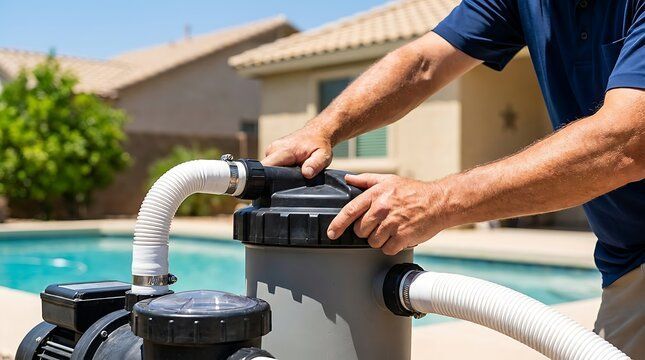
A standard swimming pool relies on a complex network of interconnected mechanical components working in harmony to preserve health standards and clarity. Key elements include the main circulation pump, sand or cartridge filter, water heater, skimmers, and return jets that drive continuous water circulation. When any component degrades, circulation suffers, leading directly to chemical imbalances, algae proliferation, and severe structural hazards. Qualified repair experts possess deep technical insight to evaluate individual components, isolate root causes of performance drops, and optimize system mechanics to prevent catastrophic equipment failure.
Early identification of mechanical malfunctions saves substantial time and capital during routine maintenance cycles. Clear warning signs of impending system failure include unusual grinding noises emanating from pump motors, unexpected drops in water levels not explained by surface evaporation, and visible stress fractures along the shell. Furthermore, sudden spikes in chemical consumption or persistent cloudiness signal that filtration efficiency has diminished. Skilled pool repair companies analyze these subtle indicators, performing targeted diagnostic tests to rectify mechanical faults before minor wear escalates into complete system downtime.
The mechanical efficiency of a pool system directly dictates overall water quality and swimmer safety. Continuous filtration removes microscopic debris and suspended organic matter, while steady circulation prevents stagnant zones where bacteria and algae thrive. When mechanical systems break down, stagnant water quickly fosters hazardous microbial growth and severe chemical contamination. By maintaining optimal pump pressure, clean filter media, and balanced hydraulic flow, pool repair companies ensure that sanitation systems operate effectively, keeping pool water pristine, safe, and visually appealing year-round.
2. Deploying Professional Expertise
Certified pool repair professionals undergo rigorous field training and educational courses to master dynamic pool systems. Comprehensive certifications cover advanced hydraulics, water chemistry dynamics, electronic controls, and rigorous safety mandates. Technicians learn to navigate intricate plumbing layouts and troubleshoot modern automated systems with precision. This deep foundation of formal education empowers technicians to resolve complex mechanical failures safely, giving pool owners complete confidence that repairs meet high industry standards and local building codes.
Mastering diagnostic reasoning allows repair specialists to isolate complex problems rapidly across varied environments. Technicians utilize advanced leak detection tools, digital water analyzers, and specialized pressure testing equipment to pinpoint structural and mechanical issues. By tailoring problem-solving strategies to specific pool types, usage patterns, and environmental factors, professionals implement long-lasting repairs rather than temporary quick fixes. This high level of diagnostic precision minimizes operational downtime, protects expensive internal components, and saves pool owners from repeated service calls.
Adhering strictly to federal, state, and regional safety mandates forms the baseline of all professional repair operations. Technicians ensure compliance with critical safety laws, such as anti-entrapment drain regulations and electrical grounding standards, mitigating dangerous hazards for swimmers. Additionally, pool repair companies maintain thorough knowledge of commercial health codes and environmental discharge laws. By identifying hidden structural or electrical risks and applying immediate corrective actions, certified professionals protect pool owners from severe liability issues while maintaining a secure swimming space.
3. Implementing Preventive Care
Routine physical and mechanical inspections remain vital for identifying equipment degradation before costly emergency repairs become necessary. Scheduled professional check-ups involve systematically testing chemical balances, evaluating pump pressure, and inspecting physical surfaces for structural wear. Catching minor seal leaks, worn O-rings, or minor chemical fluctuations early preserves core system integrity. Consistent oversight by experienced technicians offers complete peace of mind, transforming reactive emergency troubleshooting into a controlled, predictable maintenance schedule that protects long-term investments.
Standard preventive care encompasses essential routine tasks, including surface skimming, wall brushing, chemical balancing, and backwashing filtration units. Structuring these maintenance duties according to usage frequency and seasonal shifts prevents aggressive algae blooms and equipment strain. Moreover, proactive maintenance provides immense financial advantages. Regular minor servicing drastically extends the operational lifespan of expensive equipment like heat pumps and automated chlorinators. By avoiding sudden major component replacements, pool owners maximize their total return on investment over the life of the property.
4. Optimizing Economic Efficiency
Operating a pool efficiently yields remarkable energy savings while reducing overall operational expenses. Upgrading outdated single-speed pumps to modern variable-speed models drastically cuts kilowatt usage, dropping monthly electrical costs significantly. Furthermore, optimizing hydraulic flow rates reduces friction loss inside plumbing lines, allowing equipment to run smoothly with minimal energy demand. Reputable pool repair companies audit existing pool mechanics to recommend high-efficiency upgrades, aligning environmental sustainability with substantial long-term financial savings for homeowners and commercial facilities alike.
Targeted operational improvements focus heavily on minimizing water waste and optimizing chemical application. Rapid leak detection and prompt structural repair conserve thousands of gallons of water annually, directly lowering utility costs. Simultaneously, maintaining precise chemical ratios prevents the waste associated with over-chlorination or frequent shock treatments. Utilizing advanced filtration technologies further minimizes the need for frequent water draining and backwashing. These efficient management strategies establish a sustainable framework that reduces ecological impact while maintaining pristine swimming conditions.
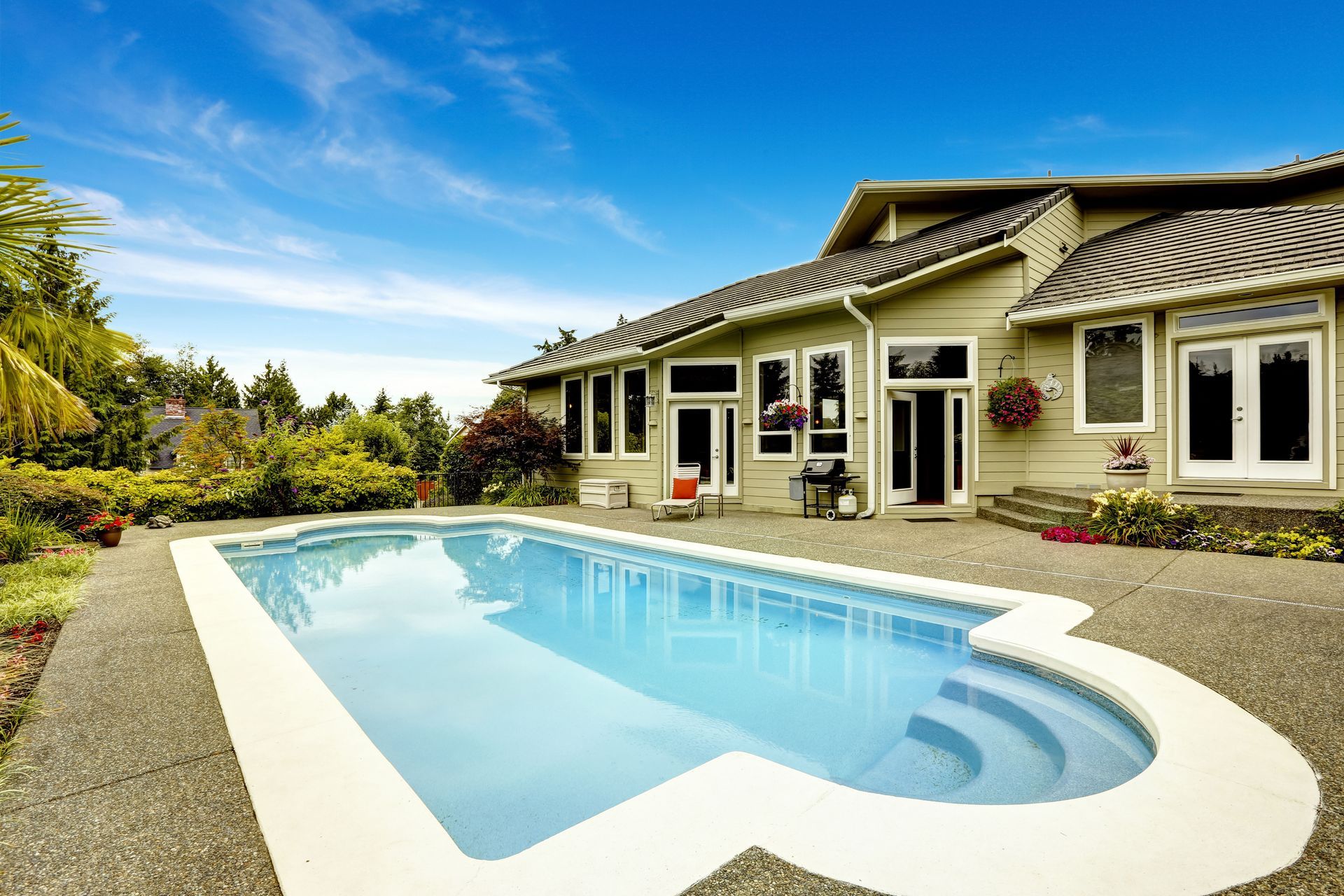
A beautifully maintained, fully operational swimming pool adds clear value to residential properties, boosting overall curb appeal and marketability. Real estate buyers view a pristine pool backed by professional service records as a premium amenity rather than a daunting financial liability. Continuous repair work keeps structural finishes, lighting, and decking in peak visual condition. By protecting structural integrity and ensuring operational reliability, pool repair companies play a pivotal role in boosting home valuation, ensuring properties stand out favorably in competitive real estate markets.
5. Practicing Environmental Stewardship
Modern pool repair companies actively adopt eco-friendly service methods to lessen their overall environmental footprint. Technicians prioritize installing energy-efficient pumps, solar heating systems, and recyclable filter media during overhaul projects. Upgrading legacy systems to eco-friendly alternatives decreases power demand and lowers greenhouse emissions associated with electricity production. By integrating sustainable materials and green diagnostic practices, service providers help pool owners enjoy their amenities responsibly while contributing positive solutions toward broader environmental conservation goals.
Water conservation remains a central priority for forward-thinking repair organizations operating in drought-sensitive regions. Professionals utilize state-of-the-art acoustic leak detectors and infrared cameras to locate subterranean line leaks swiftly, halting hidden water loss. In addition, technicians educate clients on advanced water-saving methodologies, such as installing physical thermal covers to curb evaporation and using multi-cyclonic pre-filters to reduce backwash frequency. Implementing these conservation techniques ensures responsible usage of vital local water resources without sacrificing water purity or recreational comfort.
Professional pool care plays a fundamental role in maintaining healthy, efficient, and visually stunning aquatic environments. From evaluating complex mechanics to delivering precise repairs, expert technicians ensure that every component functions seamlessly over its full operational lifespan. By addressing mechanical vulnerabilities, implementing strategic preventive care, and applying eco-friendly solutions, service providers keep pools safe, cost-effective, and environmentally sustainable. Partnering with certified specialists ensures long-term property value, operational reliability, and stress-free recreation for years to come. For more information about the services that we offer, reach out to our incredible team at Steve's Pool Service today!
Share On: